
A single no-decompression dive
Wait at least 12 hours before flying.
Until Christmas our trips leave at 8:00: meet us at the shop at 7:30, back around 13:30–14:00.Why?
Home / Health and safety
The questions we are asked every week on the boat: when can I fly, can I dive with a cold, is diabetes a problem, what does decompression sickness feel like? Here are clear answers, based on the guidelines of Divers Alert Network (DAN).
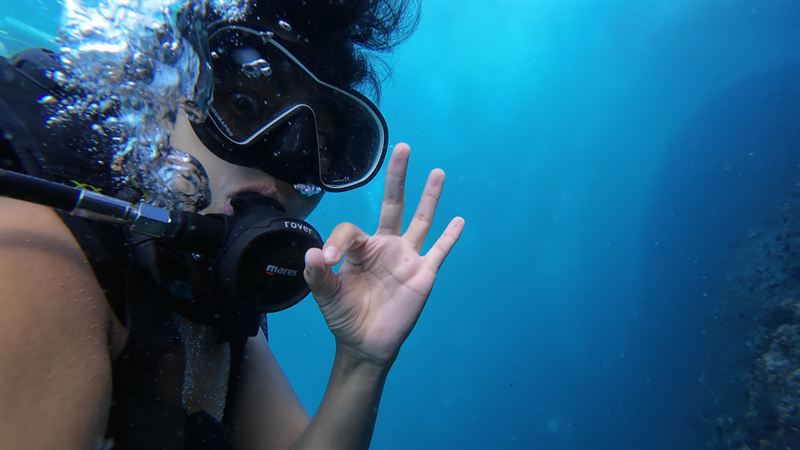
Feeling OK is the first rule
Before you dive
Every diver fills in a short medical questionnaire. Answer it honestly: some conditions only need a doctor's signature before you dive, and it is much better to know that before the boat leaves.
Flying after diving
After diving your body still holds extra nitrogen, and the lower pressure in a plane cabin can turn it into decompression sickness. DAN recommends these minimum surface intervals — longer is always better.
Wait at least 12 hours before flying.
Wait at least 18 hours. This is the one that applies to a normal two-dive day and to every course.
Wait at least 24 hours.
Taking the ferry is fine: you are back at Chaloklum pier around 15:30, in time for a 17:00 ferry. Just plan your last dive day around your flight from Koh Samui, Surat Thani or Bangkok.
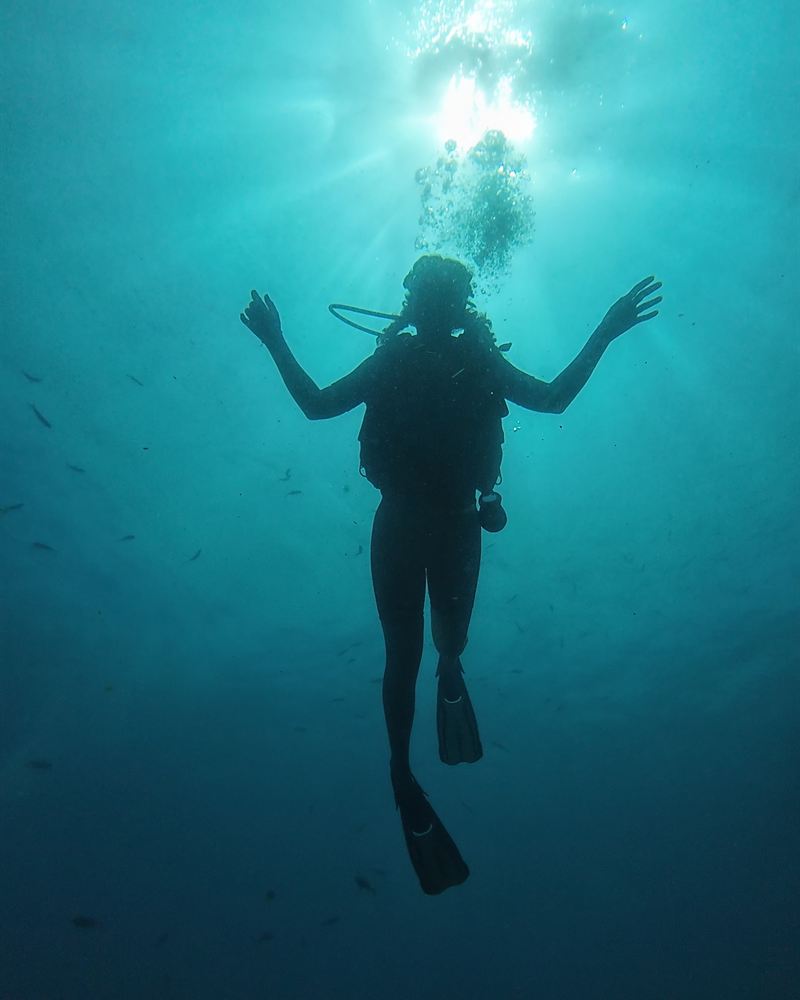
Slow ascents, safety stops
Decompression sickness
Decompression sickness (DCS) is rare in recreational diving, and slow ascents, safety stops and staying within your computer's limits make it rarer still. But every diver should recognise it, because early oxygen and treatment make a real difference.
If you notice any of these after diving, do not fly and do not wait to see if it passes: tell us, get medical help straight away, and call DAN's 24-hour emergency hotline on +1 919 684 9111.
Diving with diabetes
Many people with diabetes dive safely. DAN's guidelines set out who can dive and how to manage blood glucose on a dive day. Talk to your doctor, and tell us and your buddy before the dive.
Who can dive
On the day
Avoid
If you feel any symptoms during a dive, signal your buddy, end the dive, surface and get checked.
Look, don't touch
Almost nothing in the Gulf of Thailand is dangerous if you keep your hands to yourself and your fins off the bottom. A few animals deserve extra respect.
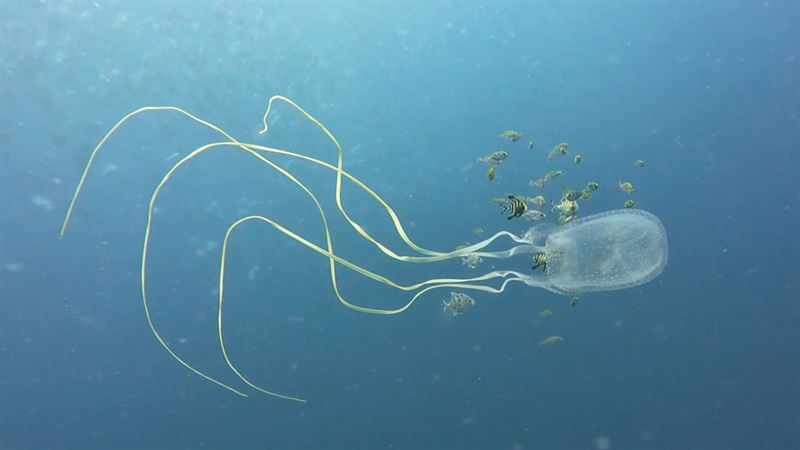
Their stings are very painful and can be serious. If stung, get out of the water, pour vinegar over the area for at least 30 seconds, do not rub it, and get medical help.
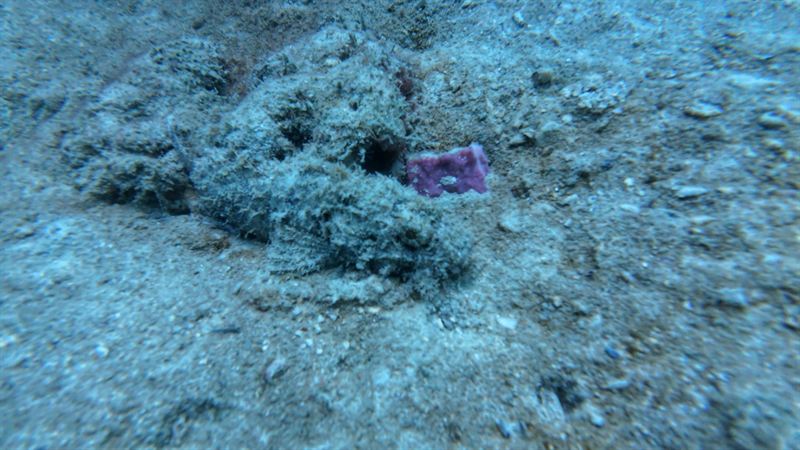
Masters of camouflage with venomous spines. Never put a hand or knee down without looking. A sting needs hot water — as hot as you can bear — and a doctor.
Everywhere
Sea urchin spines, fire coral and some anemones sting or cut. Good buoyancy is the best protection — for you and for the reef.
Questions
DAN recommends at least 12 hours after a single no-decompression dive, 18 hours after repetitive dives or several days of diving, and 24 hours after a decompression dive. For a normal two-dive day or a course, plan on 18 hours.
Better not. A blocked nose or sinuses make it hard or impossible to equalise, which can damage your ears. Decongestants can wear off during the dive. Wait until you can breathe clearly through your nose.
Often, yes. DAN's guidelines allow adults with well-controlled diabetes to dive with careful glucose checks before and after each dive, and some limits on depth and dive time. Talk to your doctor and tell us before you book.
Alcohol and dehydration raise the risk of decompression sickness and make you less alert. If you have been drinking heavily the night before, move your dive by a day — we will happily change it.
Mild signs include joint or muscle pain, skin rash or mottling and unusual tiredness. Serious signs include numbness, tingling or weakness, difficulty walking, confusion, dizziness, chest pain or breathing difficulty, and hearing problems. With any of them, do not fly, get medical help and call DAN.
No. Diving is not recommended at any stage of pregnancy. You are very welcome on the boat to snorkel at Sail Rock instead.
Sometimes. It depends on how well controlled it is and what triggers it, so you need a doctor to assess you and sign the medical form before diving.
This page is general information, not medical advice. If you have any doubt about your fitness to dive, ask a doctor with dive medicine experience or contact DAN.
Message us on WhatsApp before you book. We will tell you honestly whether you need a doctor's signature first.